Small Changes in the Inner Ear May Help Explain Persistent Vertigo and Ongoing Dizziness
Learn how tiny balance-related crystals inside the ear may be disrupting your internal stability — even when routine exams appear normal
- By Health & Well-Being News Staff
- Updated February 16, 2026
Does Something Feel… Slightly Off?
Sometimes it starts subtly. A brief wobble when you stand up. A strange sensation when you turn your head. A moment of unsteadiness when you close your eyes. But then…The vertigo hits out of nowhere. The lingering dizziness becomes harder to ignore. And you begin avoiding simple everyday situations.
Stairs. Crowded stores. Driving. Being alone. The most frustrating part? There isn’t always a clear explanation. And even when you’re told everything looks “normal,” the uneasy feeling is still there.What May Actually Be Happening
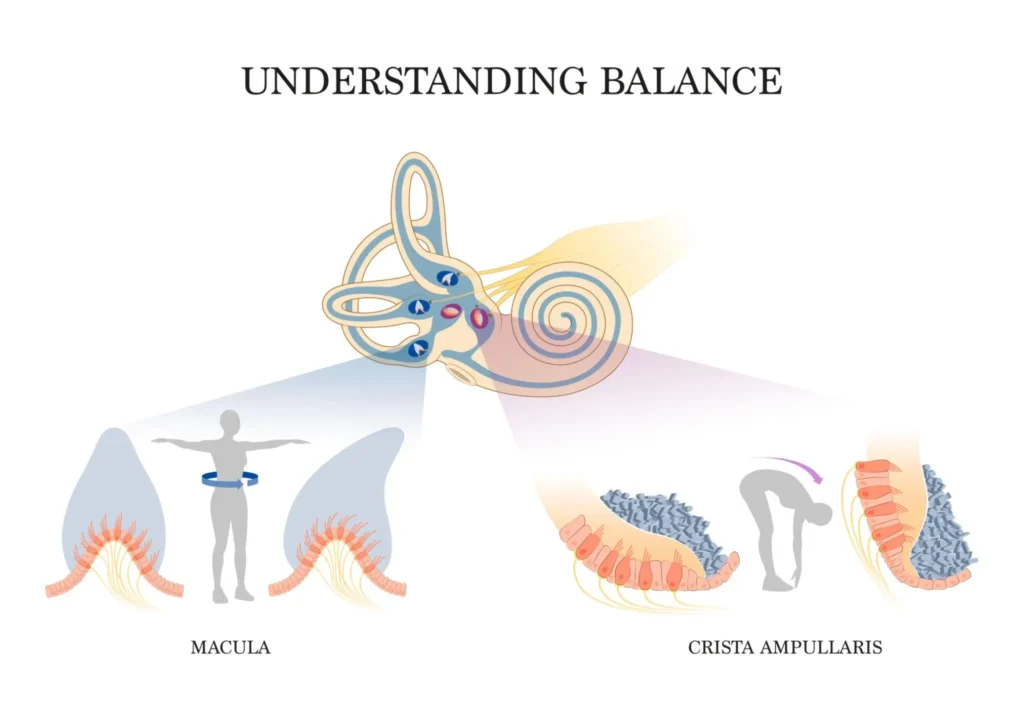
Inside your ear is a structure responsible for helping maintain balance.Think of it as your body’s internal level — constantly signaling to your brain whether you’re upright, tilted, or in motion.
Resting on this structure are microscopic calcium crystals that help send precise position signals to the nervous system. When these crystals stay properly aligned, balance feels automatic.But when they become displaced crystals…
Signals to the brain can become scrambled. This may contribute to symptoms such as: A spinning sensation while standing still Unsteadiness when closing your eyes Sudden waves of nausea Feeling like you might lose your footing Growing lack of confidence while walkingWhy Many Approaches Fall Short Long-Term
Many common approaches focus only on the momentary sensation.
But if the underlying structure that keeps these crystals in place remains weakened…
Mixed signals may continue.
It’s similar to trying to steady a wall without reinforcing the foundation.
That may help explain why some people experience temporary relief — only to have symptoms return later.
A Different Perspective Is Emerging
Recent research has begun focusing on two key priorities:
-
Supporting the integrity of the inner balance structure
-
Helping the body manage already-displaced microcrystals
When both areas are addressed together…
The balance system may function more smoothly.
There is a detailed explanation that walks through how this mechanism works — including a simple at-home test that may help indicate whether your balance system is sensitive to this type of disruption.
Understanding this could change the way you look at vertigo altogether.
Before You Dismiss This…
Ask yourself:
Do you want to keep simply managing ongoing dizziness?
Or would you rather understand what may actually be happening inside your inner ear?
Some explanations simply don’t get the attention they deserve.
If you want to better understand what may be driving persistent vertigo, it may be worth watching while this presentation is still available.